
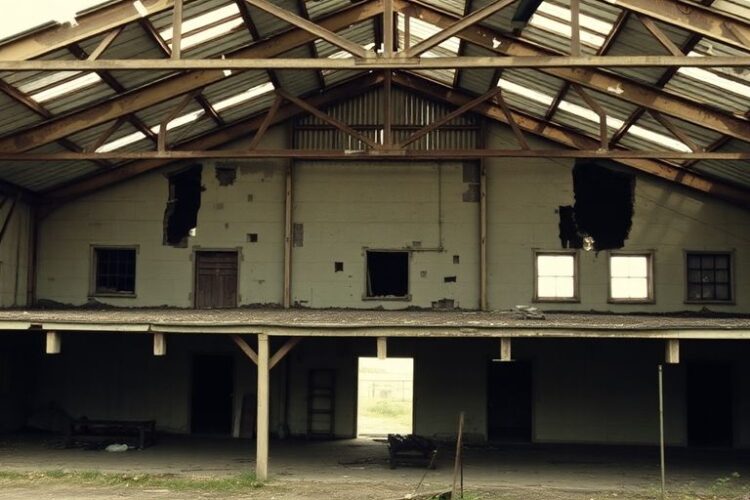
The Role of Asbestos in Wartime Construction
During the intense build-up for World War II, asbestos was a go-to material for military construction projects. Its properties made it seem like a miracle substance for the time. Think about it: the military needed buildings and equipment that could withstand harsh conditions and be put up quickly. Asbestos fit the bill perfectly. It was used in everything from barracks and hangars to naval vessels and vehicles. The widespread use of asbestos in military infrastructure was driven by its perceived benefits in fire resistance and insulation. This material was a key component in creating durable and safe environments for troops and operations, a critical need during wartime. The demand for rapid construction meant that readily available and effective materials were prioritized, and asbestos was certainly that. Its integration into so many aspects of military life meant that exposure was almost unavoidable for many service members. You can find more information about its use in military settings on pages discussing asbestos in military infrastructure.
Common Applications of Asbestos Materials
Asbestos found its way into a surprising number of applications within military bases and equipment. It was commonly mixed into cement for roofing and siding, providing strength and fireproofing. In insulation, it was used around pipes, boilers, and electrical wiring to prevent heat loss and electrical fires. Many gaskets and seals in engines and machinery also contained asbestos because it could handle high temperatures. Even in things like floor tiles, ceiling panels, and protective clothing for firefighters, asbestos was present. This broad application meant that service members were exposed to asbestos dust in various ways, whether through construction, maintenance, or daily living in asbestos-laden buildings. The sheer variety of uses highlights how deeply embedded this material was in the fabric of military operations.
Why Asbestos Was the Material of Choice
Several factors made asbestos the preferred material for military applications during World War II. Firstly, its exceptional fire resistance was a major selling point. In a time of war, preventing fires in critical infrastructure and equipment was paramount. Secondly, asbestos offered excellent thermal and electrical insulation properties. This helped maintain stable temperatures in buildings and protected electrical systems from short circuits and overheating. Thirdly, it was relatively inexpensive and abundant, making it a cost-effective choice for large-scale military projects. Its durability also meant that structures and equipment could last longer. The combination of fireproofing, insulation, affordability, and durability made asbestos an attractive option for military planners. The material’s versatility allowed it to be incorporated into a wide range of products, further cementing its place in wartime construction and equipment. The long-term health risks were not well understood at the time, leading to its widespread adoption. Many veterans from this era may have experienced significant exposure, as noted in discussions about veteran exposure.
Health Risks Associated with Asbestos Exposure
Long-Term Health Consequences
Exposure to asbestos fibers, even at low levels, can lead to serious health issues that may not appear for many years. These microscopic fibers can become lodged in the lungs and other tissues, causing inflammation and scarring over time. The insidious nature of asbestos-related diseases means that symptoms often don’t manifest until decades after initial exposure. This delayed onset makes diagnosis and treatment challenging for affected individuals, particularly veterans who served during periods of widespread asbestos use.
Diseases Linked to Asbestos Inhalation
When asbestos fibers are inhaled, they can cause several debilitating conditions. The most well-known is mesothelioma, a rare and aggressive cancer that affects the lining of the lungs, abdomen, or heart. Asbestos exposure is also a significant risk factor for lung cancer, similar to smoking, though the two can act synergistically to increase risk even further. Other conditions include asbestosis, a chronic lung disease characterized by shortness of breath and permanent lung damage, and pleural thickening, which can restrict lung expansion. For those who served, understanding these risks is vital, as many Army veterans exposed to asbestos may be at higher risk for these conditions.
Latency Period of Asbestos-Related Illnesses
One of the most concerning aspects of asbestos exposure is the long latency period associated with the resulting diseases. It can take anywhere from 10 to 40 years, or even longer, from the first exposure to the development of symptoms. This extended timeframe means that individuals may have forgotten about their exposure or may not connect their current health problems to past service. This makes it difficult for medical professionals to accurately diagnose and treat these conditions, and for individuals to seek appropriate compensation or benefits. Many veterans who have suffered chronic health issues due to asbestos exposure may be eligible for benefits and compensation, making it important to document any potential exposure during service. The long-term health consequences can be severe, impacting quality of life significantly.
Identifying Asbestos in Former Military Sites
Challenges in Detection and Assessment
Figuring out if asbestos is present in old military buildings isn’t always straightforward. Many of these structures were built quickly during World War II, and records about the exact materials used might be incomplete or lost. Plus, asbestos materials can look a lot like regular building supplies, making visual identification tricky. The real danger often lies in materials that have become damaged or disturbed over time. Without proper testing, it’s easy to underestimate the risk. This is why professional assessment is so important for former military sites.
Testing and Sampling Procedures
To accurately identify asbestos, trained professionals follow specific steps. They’ll carefully take small samples from suspect materials. These samples are then sent to accredited laboratories for analysis. The lab uses specialized microscopes to confirm if asbestos fibers are present and what type they are. This scientific approach is the only way to be sure about the presence of asbestos. It’s a key part of evaluating potential hazards at these locations, and understanding the evidence of asbestos exposure is vital for claims.
Visual Indicators of Asbestos-Containing Materials
While lab testing is definitive, some visual clues can suggest the presence of asbestos. Look for materials that are fibrous, crumbly, or appear to be deteriorating. Common culprits include:
- Insulation around pipes and boilers
- Ceiling tiles and floor tiles
- Textured paints and coatings
- Roofing and siding materials
If you see materials that look like these and are in poor condition, it’s best to assume they might contain asbestos and avoid disturbing them. This caution is especially relevant for structures like commercial and Navy ships that saw heavy use during the war.
Remediation and Management of Asbestos
Dealing with asbestos in former military sites requires careful planning and execution. It’s not a simple DIY job, and professionals are needed to handle it safely. The goal is to either remove the asbestos completely or to seal it off so it can’t cause harm. Proper containment is key to preventing airborne fibers.
Safe Removal and Disposal Techniques
When asbestos-containing materials (ACMs) are removed, it’s a highly controlled process. Workers wear special protective gear, and the area is sealed off to stop fibers from spreading. This often involves wetting the material to keep dust down. Once removed, the asbestos waste is bagged and transported to special landfills designed to handle hazardous materials. This ensures that the material doesn’t pose a risk elsewhere. Many veterans who served at Army bases were exposed to asbestos, increasing their risk for serious diseases like mesothelioma [afb9].
Encapsulation and Containment Strategies
Sometimes, instead of removal, asbestos can be managed by sealing it. This is called encapsulation. Special coatings are applied to the asbestos material, locking the fibers in place. Another method is enclosure, where a barrier is built around the ACM. Both methods aim to prevent the release of asbestos fibers into the air. This is a common approach when removal would be too disruptive or costly, or when the material is in good condition and unlikely to be disturbed. For instance, sailors and shipyard workers on ships like the USS Comte de Grasse (DD-974) faced similar exposure risks [053a].
Regulatory Frameworks for Asbestos Abatement
There are strict rules governing how asbestos must be handled. Government agencies set standards for removal, disposal, and worker protection. These regulations are in place to protect both the workers doing the abatement and the public. Compliance with these rules is mandatory for any asbestos project. This includes proper training for workers, correct disposal procedures, and thorough site cleanup after the work is done.
The Enduring Impact on Veterans and Communities
Exposure Pathways for Military Personnel
Many veterans who served during and after World War II likely encountered asbestos without even realizing it. During that era, asbestos was everywhere in military construction, from barracks and hangars to ships and vehicles. Think about the insulation in pipes, the fireproofing on structures, even the brake pads on jeeps – asbestos was a common ingredient. This widespread use meant that service members were often breathing in asbestos fibers during routine duties, renovations, or even just daily life on base. The very materials meant to protect them during wartime could pose a long-term threat. For those working in specific roles, like mechanics, electricians, or construction crews, the risk was even higher due to direct contact with these materials. Understanding these exposure pathways is key to recognizing the potential health impacts many veterans face today. You can find more information about how asbestos exposure happens on military sites at military asbestos exposure.
Community Health Concerns Near Bases
It wasn’t just the service members who were at risk. Communities located near former military bases often faced similar dangers. During the peak of asbestos use, construction and demolition activities at these bases could release fibers into the surrounding environment. Wind could carry these particles, and water runoff might also play a role in spreading contamination. This means that families living near bases, as well as civilians who worked on or visited these sites, could have also been exposed. The long-term health effects, like those seen in veterans, can manifest decades later, creating a lingering public health concern for these areas. The simple act of inhaling these fibers can lead to serious health issues such as mesothelioma, lung cancer, and asbestosis, as detailed in resources on asbestos health risks.
Legal and Compensation Avenues
For veterans and their families dealing with asbestos-related illnesses, navigating the legal and compensation landscape can be complex. Many have sought justice and financial support through various claims processes. This often involves proving that the illness is directly linked to their military service and the asbestos exposure that occurred. Government agencies and the court system have established procedures to handle these cases, recognizing the significant harm caused by asbestos. It’s a difficult journey, but resources are available to help individuals understand their rights and pursue the compensation they deserve for the health problems they endure.
Preserving History While Ensuring Safety
World War II military bases often hold significant historical value, telling stories of a pivotal era. However, many of these sites also contain asbestos, a material that was widely used for its fire-resistant properties but is now known to be dangerous. The challenge lies in how to manage these locations responsibly. We need to figure out how to keep the history intact without putting people at risk. It’s a tricky balance, for sure.
Balancing Historical Significance and Hazard Mitigation
Many former military installations are important landmarks. They represent a part of our past that shouldn’t be forgotten. Yet, the presence of asbestos means that simply leaving these structures as they are isn’t an option. Careful planning is required to protect both the buildings and the people who might visit or work near them. This often involves detailed surveys to pinpoint where asbestos materials are located. Finding ways to preserve the historical integrity while making the site safe is the main goal. For instance, some structures might be stabilized or partially restored, while areas with heavy asbestos contamination might be restricted or undergo specialized cleanup. It’s about making smart choices that respect the past and protect the future, much like the careful work done at places like the Long Beach Naval Shipyard.
Ongoing Monitoring and Maintenance
Once a site has been assessed, and any necessary remediation or containment has been done, the work isn’t over. Regular checks are needed to make sure that asbestos-containing materials that were left in place remain undisturbed. This means periodic inspections to look for any signs of damage or deterioration that could release fibers into the air. Think of it like keeping an eye on an old house – you need to check on it now and then to make sure everything is still okay. This continuous oversight is key to long-term safety, especially for sites that might be repurposed for public use or are located near communities.
Public Awareness and Education Initiatives
It’s also important that people know about the potential risks. Educating the public, especially those living near former bases or veterans who served at them, is a big part of the safety plan. Understanding what asbestos is, where it might be found, and what to do if you suspect exposure can make a real difference. Information campaigns can help people make informed decisions about their health and safety. For example, knowing the history of ships like the USS Ingersoll (DD-990) can highlight the widespread use of asbestos in military applications and the importance of awareness.
Access Resources
